
00 / CASE STUDY
Case background
Between 2014 and 2021, Range Rover’s position in China weakened. Once regarded as a leader in luxury SUVs, the brand was caught in a volume-led sales model: ambitious wholesale quotas encouraged heavy discounts and a retail experience focused on completing a transaction. Its image was also burdened by the stereotype of the “coal tycoon’s car”, distancing it from younger affluent customers seeking refinement and meaning.
In 2021, JLR began shifting its emphasis from volume to value, localising its global Reimagine strategy around customer-centred, experience-led luxury. Curated cultural encounters, immersive driving experiences, and destination retail spaces reframed ownership as a lifestyle journey. Three years later, the source article reported a leading position in the 2024 J.D. Power China Customer Service Index, a 21.7% increase in Range Rover import volume to approximately 21,000 vehicles, and a position ahead of the Mercedes-Benz GLS and BMW X7 in the million-renminbi SUV segment.
This case examines the challenges and strategies behind that transformation, offering practical lessons for brands seeking to make modern luxury relevant in China.
01 / CASE STUDY
Transformation: from a discount spiral to value creation
Early success: a leader beyond the German luxury marques
In 2014, JLR became the fourth luxury car manufacturer, after Mercedes-Benz, BMW, and Audi, to sell more than 100,000 vehicles annually in China, reaching 122,010 units. It held a strong position among the next tier of luxury brands and was recognised by affluent SUV buyers as a leading alternative to German manufacturers.
The brand challenge: declining sales within a discount-led model
Like other premium imported-car brands in mainland China, JLR pursued ambitious volume targets, often with limited regard for their wider consequences. High wholesale quotas encouraged dealers to accept excessive stock, which they then discounted to meet sales targets. The article describes JLR dealers offering reductions of 15–20% from list prices.
This volume-driven model did not sustain growth. JLR sold 111,206 vehicles in the 2020/21 financial year, below its 2014 level, while competitors continued to grow. By mid-2021, the article describes quiet showrooms, low staff morale, and leading salespeople moving to emerging electric-vehicle competitors.
Several factors reinforced the dependence on volume and discounts:
Quota-led wholesaling: global manufacturers prioritised exports to China over retail demand, leaving dealers to absorb excess inventory.
Tariffs and local competition: import duties raised recommended retail prices, while locally produced luxury cars increased price pressure on imported vehicles.
Parallel imports: independent traders undercut authorised dealers, adding further pressure to reduce prices.
Persistent inventory pressure: the China Automobile Dealers Association’s inventory warning index remained above its 50% threshold for extended periods, indicating continued stock and discounting pressure.
Limited experience differentiation: transaction-oriented retail reinforced price as a primary decision criterion, leaving little room for the brand to distinguish itself.
Breaking this cycle required a fundamental change—from discounting to achieve volume towards creating value through carefully designed experiences.
02 / CASE STUDY
Implementation: from a global vision to a China strategy
A strategic reset: Reimagine
On 15 February 2021, then JLR CEO Thierry Bolloré introduced Reimagine, a global transformation programme intended to redefine modern luxury, reposition the business, and move towards a more sustainable, human-centred future. Within the House of Brands approach, Range Rover was positioned around exceptional refinement for the world’s most discerning customers.
In China, this represented three decisive shifts:
From pursuing volume to creating value.
From product transactions to experience-led customer relationships.
From internally defined assumptions about the brand to a customer-centred transformation grounded in local expectations.
To deliver this ambition, JLR China needed to:
Rebuild relevance by responding to changing customer values and lifestyles.
Revitalise the retail network around distinctive service experiences.
Restore quality growth in a slower luxury-car market with higher expectations of experience.
The China challenge: what makes the brand desirable?
China is one of the world’s largest and most complex luxury-car markets. Reimagine provided a global framework, but its success in China depended on understanding what modern luxury meant to affluent local customers. Three questions were central:
Who are China’s most discerning consumers today?
What do they truly expect from luxury cars and the services around them?
Beyond the vehicle, what place should a brand such as Range Rover have in their lives?
1. Understanding customers motivated by experience
Moving beyond an inherited stereotype
Range Rover had once been an aspirational SUV for luxury buyers, but by 2021 its cultural appeal had weakened. The “coal tycoon’s car” label suggested conspicuous wealth rather than understated luxury, exposing a growing distance from younger, experience-oriented consumers. Rebuilding relevance meant speaking directly to affluent people who valued emotional connection and a considered lifestyle.
A new generation of luxury consumers
The article describes a younger Chinese high-net-worth audience, with an average age of 35, a global outlook, and considered attitudes towards lifestyle and consumption. Emotional resonance, wellbeing, and personal meaning matter to them. Luxury is becoming a means of expressing and developing the self, rather than simply signalling status.
The rise of experience-led luxury
As growth in material luxury slowed, experiential spending increased. The article reports that premium services such as travel, wellness, and bespoke experiences grew 17% in 2024 to RMB 970 billion. Private aviation, cultural travel, and carefully curated lifestyle offers were increasingly taking their place alongside handbags and watches as expressions of success.
This context required Range Rover to reconsider the meaning of desirability itself.
2. Designing modern luxury for China
Range Rover’s local expression of Reimagine developed around three experience pillars, each reflecting a shift in how affluent Chinese customers define value.
The article describes initial pilots in Shanghai spanning culturally relevant gatherings, immersive test drives, and destination brand spaces.
These principles subsequently found expression in Range Rover Realm, illustrating how customer-centred experience design could move from a pilot towards a broader programme.
Culturally relevant gatherings
Prioritising relevance over spectacle, Range Rover reframed conventional product launches as carefully curated cultural encounters.
These gatherings combined British heritage with Chinese refinement. Their purpose was deeper engagement with influential audiences, rather than mass exposure alone.
Beijing, April 2024: Range Rover Realm made its global debut in a private art setting overlooking the Forbidden City. Academy Award-winning art director Tim Yip reinterpreted Song-dynasty landscapes as an immersive installation. The event also introduced SV Bespoke services to China and presented the Range Rover Sport SV Edition One, as described in the article.
Shanghai, April 2025: a 55th-anniversary celebration at the historic British Consulate on the Bund displayed Queen Elizabeth II’s personal vehicle and traced five generations of Range Rover. A China tenth-anniversary SV model, a bespoke Meridian sound installation, and a Michelin-starred dining experience brought sound, taste, and sight together.
The significance of these events lay in the combination of community, culture, and craftsmanship.
Culturally immersive driving
Test drives became a preview of an ideal lifestyle rather than a demonstration of technical specifications alone. By placing driving within a meaningful setting, the brand allowed guests to imagine the wider experience of ownership.
Chongli, December 2023–January 2024: a ten-day winter experience at the Olympic skiing destination combined driving on ice with fragrance and wine workshops, cultural salons, and fireside conversations with figures including Fan Deng and Yang Lan. Olympic champion Xu Mengtao joined the New Year celebration.
Shenzhen, June 2024: guests drove the Range Rover line-up along the coast before taking part in sailing, spa experiences, and drone-photography sessions at a design-led resort overlooking the South China Sea.
Chengdu, September 2024: a route from the Range Rover pavilion at Taikoo Li to a black-pottery village with a reported 2,300-year history connected driving with craft, time, and place.
These journeys reframed luxury as a lifestyle people were invited to participate in, extending its meaning beyond an object they could buy.
Exclusive services and privileges
To make modern luxury continuous rather than occasional, Range Rover developed enduring experience touchpoints and a system of privileges.
Shanghai Range Rover Bespoke Centre: modelled on a Mayfair boutique, the article describes it as JLR’s first Range Rover bespoke centre outside the United Kingdom.
SV Bespoke private consultation: introduced at the Beijing Realm event, this offered customers in northern China one-to-one advice on materials and personalisation.
Range Rover Realm: an invitation-led travelling salon and service format connecting product launches with cultural experiences in Beijing, Shenzhen, Chengdu, and Shanghai. Guests gained access to bespoke vehicles, lifestyle collaborations, and dedicated concierge services.
These spaces offered reasons to explore the brand beyond a conventional dealership visit.
3. Creating spaces with cultural relevance
An experience setting that supports identity and belonging
Many premium-brand events are fleeting. Range Rover’s approach centred on cultural places where the brand could become part of a customer’s lifestyle and sense of identity, rather than remain an object behind glass.
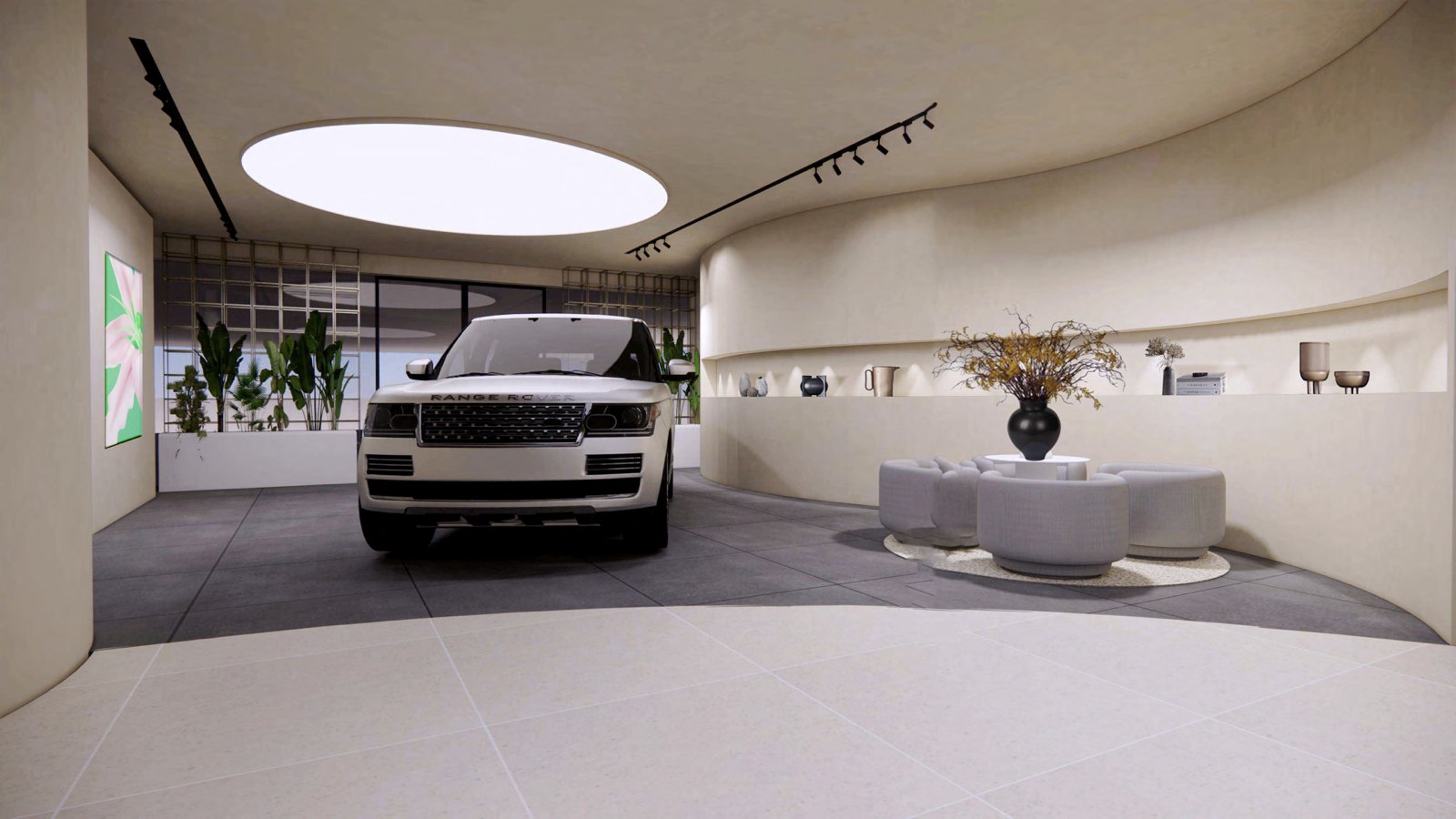
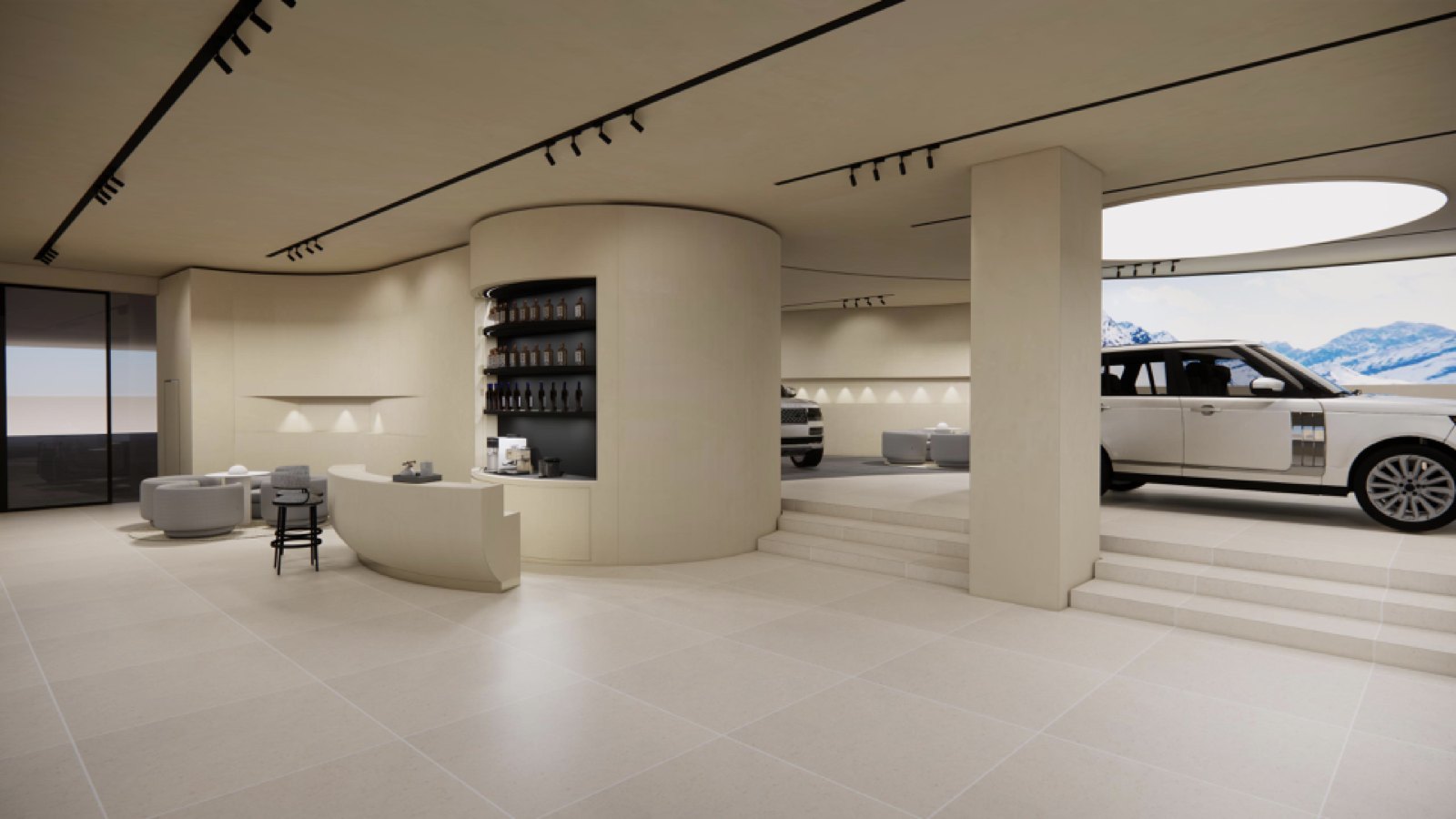
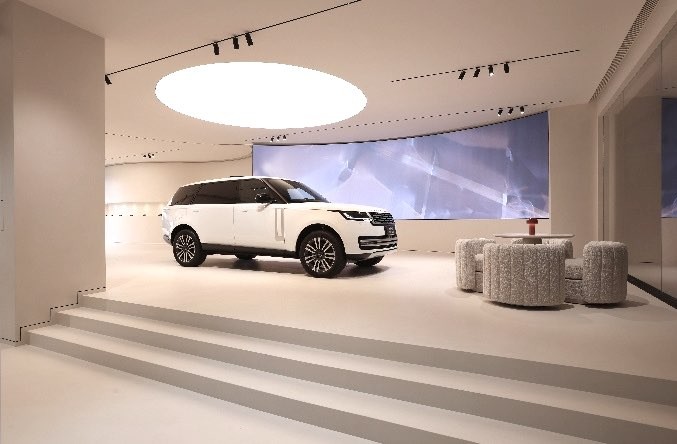
Shanghai Range Rover Bespoke Centre: located in the West Bund cultural corridor, the centre expressed understated luxury and operated as a contemporary salon. The article describes wine tastings, wellbeing mornings, and artist talks, giving it a role as a community touchpoint as well as a commercial setting.
Range Rover Realm brought temporary lifestyle settings to four cities, with each expression responding to its local context:
Beijing connected heritage with technological innovation; Shenzhen combined coastal leisure with forward-looking design; Chengdu focused on craftsmanship and enduring traditions; Shanghai brought together brand heritage and an international outlook. These spaces allowed guests to experience how Range Rover could belong within a refined way of life.
03 / CASE STUDY
Outcomes: from negative perceptions to market leadership
By 2021, Range Rover faced a ceiling on its reputation in China. Despite its association with success, the brand was constrained by an inherited stereotype and discount-led retail. The article argues that localising Reimagine through customer-centred experiences helped reverse this position, with progress visible in brand perception, product desirability, customer satisfaction, and profitability.
The article attributes the change to a redefinition of the brand and the way it delivered value in China, rather than to price cuts or sales incentives alone.
04 / CASE STUDY
What made the transformation work
The central brand shift
Range Rover did more than refresh its products: it reconsidered what ownership meant. The vehicle became one part of a wider lifestyle journey built around personalisation, cultural relevance, and continuing engagement.
Three drivers of transformation
1. Cultural destinations in place of transaction-led showrooms
The Shanghai bespoke centre and Realm programme placed sales within immersive encounters with design, craft, and culture, connecting the brand with China’s wider premium lifestyle landscape.
2. Experience-led interaction in place of status-led marketing
Immersive drives, lifestyle retreats, and invitation-only salons created opportunities for emotional connection with a younger affluent audience seeking meaning as well as recognition.
3. Distinctive, scarce value beyond price discounts
The article describes a more focused vehicle range, greater personalisation, and tighter control of incentives as ways to protect brand equity and improve the product mix. It reports double-digit growth despite an 11% contraction in the overall imported-car market.
Reimagine became meaningful locally when the brand began developing an experience ecosystem around the SUV. The changes—from volume to value, transactions to relationships, and product-led selling to lifestyle participation—provided a new basis for growth.
The source article reports a leading customer-satisfaction position among luxury brands in 2024 and leadership in the segment above RMB 1.5 million. Its wider argument is that cultural relevance, attentive care, and understated refinement can reshape a brand’s meaning, making modern luxury a practical direction for growth.
05 / CASE STUDY
Five lessons for luxury brands
The case presents the transformation as a coordinated change grounded in customer insight, cultural relevance, and the long-term value of experience. Although every brand’s circumstances differ, its underlying reasoning offers lessons for other premium businesses.
1. Remaining relevant requires a willingness to redefine the brand
No brand is immune to stagnation. Moving beyond an outdated association requires more than a new slogan: it means reconsidering the audience and what that audience genuinely values.
2. Experience becomes part of the product
Premium customers increasingly value the emotions and experiences surrounding a purchase. Bespoke gatherings, lifestyle services, and immersive journeys make the brand’s value tangible beyond product functions.
3. Desirability supports profitability
Replacing dependence on promotions with a more personal, distinctive offer can help protect pricing power and improve the customer mix. Scarcity, local relevance, and emotional appeal become important alongside conventional sales incentives.
4. Space gives the brand a place in people’s lives
Bespoke centres and Realm settings connect the brand with cultural, social, and leisure activities. Their role extends beyond display to a sense of belonging and shared taste.
5. Customer centricity is a system, not a slogan
The transformation depends on aligning product, retail, service, events, and communication around changing customer needs and values. It is a coordinated reconsideration of the brand from the customer’s perspective, rather than an isolated touchpoint improvement.
Data note in the source article: figures were drawn from public market information and industry research.
Key lesson: established brand positioning must evolve with the emotional and cultural expectations of emerging high-value customers.
Key lesson: meaningful experiences often happen around the product, not only within it.
Key lesson: premium pricing rewards the delivery of premium meaning as well as premium materials.
Key lesson: culturally aware brand spaces can help the brand become part of real life in ways advertising alone cannot.
Key lesson: customer-centred brands adapt their business models to serve customers’ evolving aspirations, as well as meeting existing needs.
Reported brand performance
Growth in Range Rover import volume in 2024
Range Rover imports in 2024
Source: market data cited in the June 2025 case article. These describe wider brand performance, not outcomes attributable to the 2022–2023 engagement.
PROJECT SCOPE
- User research and positioning
- Brand value repositioning
- Signature service system strategy
- Service experience management and metrics
Adapted from the supplied case article, retaining its reasoning and examples. Project scope is drawn from T8 Intro. The case includes team experience predating T8 and later brand developments; later programmes are not additional project delivery credits. Market and brand figures follow the source article and do not establish project causation.
Source publication · 9 June 2025
References listed in the source
- Dealers protest to BMW over sales quota
- Luxury Car Brands Offer Up to 20% Off in China Amid Slack Demand
- 2023 China Luxury Goods Market: A Year of Recovery and Transition
- China’s wealthy shoppers have a new mentality
- Jaguar Land Rover Reimagines the Future of Modern Luxury by Design
- 2025 China High-Net-Worth Individuals Insight Report
- 2024 Awards and Rankings
- Imported cars lose their privileged position
- The ten best-selling parallel imports in November: Range Rover, BMW X5, and Toyota
- JLR China’s July organisational changes and its positioning challenge
- The new Range Rover Sport and the “coal tycoon” stereotype
- Range Rover Night reimagines luxury
- 2025 Range Rover Night: a new expression of luxury
- Range Rover’s winter driving experience
- Between mountains and sea: a Range Rover experience
- Range Rover Realm opens at Chengdu Taikoo Li
- Asia’s first standalone Shanghai Range Rover Bespoke Centre opens
- Range Rover imports grow 21.7% in 2024