
00 / CASE STUDY
Case background
As living standards rise, expectations of laundry products move beyond washing alone towards an expression of personal attitudes and lifestyles. The article frames Casarte’s shift from selling functions to offering a way of life as a response to this change, and a means of helping shape it.
In China, appliances priced above RMB 10,000 have become an important premium segment. The source article reports approximately 27% retail-value growth in 2024, a 30% share of the wider refrigerator and laundry market, and an 84% share for Casarte within the premium category it discusses. Its central argument is that Casarte moved beyond comparisons of technical specifications towards lifestyle value: the feel of well-cared-for clothing, the comfort of less intrusive housework, and a sense of attentive care. These figures are reproduced as the article’s market context; its category definitions are not fully specified.
Competitors were also developing their propositions. COLMO and Toshiba used AI fabric recognition and washing algorithms to strengthen the experience. Siemens and Bosch emphasised engineering quality and reliability. LG and Samsung combined steam care with online and offline experiences aimed at fashion-conscious customers. Miele maintained a strong position at the ultra-premium end through restrained design and a distinctive luxury proposition.
As more brands promoted cleaning performance, sanitisation, and AI-assisted fabric care, premium laundry approached a point of diminishing differentiation. Impressive specifications increasingly resembled one another. Competition also broadened: designer home brands and smart-home platforms brought their ability to create complete settings, while younger affluent consumers expected experiences that were visual, social, and consistent with their taste and living spaces. Rising development costs made this a commercial challenge. Technical innovation that customers could not see, feel, or explain risked becoming an investment whose value remained invisible.
To maintain its position amid changing expectations and converging product capabilities, Casarte needed to return to the customer experience. Technological leadership remained important, but garment care also had to become something tangible, immersive, and worth sharing. Connecting distinctive brand value with emotional resonance and the aesthetics of everyday life offered a path beyond competition on specifications.
01 / CASE STUDY
More discerning customers: redefining washing and care
The experience economy made the challenge clearer. Premium customers expected more than clean clothes: they wanted to dress well, organise their wardrobes elegantly, and move smoothly from washing to wearing. If technical language failed to become a relatable story about daily life, the details that expressed taste and identity could be lost among competing brand messages.
The article cites JD Home Appliances × Hurun’s research on high-net-worth consumers and premium refrigerator and laundry trends. It describes an integrated garment-care ecosystem becoming an expectation rather than an optional extra. Among the high-end households discussed:
67% identified fabric protection as their first consideration when buying laundry-care equipment.
54% were willing to pay a premium of at least 20% for professional garment care at home.
Average annual household spending on premium dry cleaning and garment care was reported at RMB 18,000—eight times the figure for mainstream households.
Expectations had moved from clean washing and sufficient capacity towards something closer to having a professional fashion-care studio in the home. This changed how customers approached garment care.
1. Professional care becomes an expected capability
The article reports 26.6% growth in dryer and garment-care machine retail value in 2023, with 80% of incremental sales in the segment above RMB 10,000. It interprets this as evidence that affluent customers increasingly see integrated drying and care as a core need rather than an optional feature.
2. Fabric protection and a complete care process define premium value
In the interviews described, more than two-thirds prioritised fabric protection, and over half were willing to pay over 20% more for professional care at home. Annual spending on dry cleaning, odour removal, and garment shaping reached RMB 18,000 per household, eight times the mainstream level. The opportunity was to rethink how that spending could support an integrated home-care proposition.
3. Garment care is a means to a better life
Affluent households once focused on washing performance and capacity. Their newer aspiration was professional-level garment care within their own wardrobe space. The deeper purpose was to release time and improve everyday efficiency, allowing them to pursue personal development and the interests that mattered to them.
Bringing professional care into the home therefore offered more than convenience. It could help people feel confident and composed in what they wore. This continuing emotional benefit was central to the article’s understanding of premium garment care.
02 / CASE STUDY
Redefining value and communicating it effectively
In 2022, Casarte began a transition towards an ecosystem brand, refreshing its proposition, establishing understanding of new categories, and explaining its capabilities more fully. The team and Casarte explored who the most important future customers would be, how to make value perceptible, and how to support conversion without relying on increasingly similar product claims. Two objectives shaped the work.
1. Redefine the value of washing, drying, and care around a clear audience
As premium laundry moved from a performance contest towards lifestyle value, Casarte first needed to answer two questions:
What is the new value, and whom does it genuinely attract?
The proposition went beyond cleaner washing or faster drying. It concerned treating valued fabrics at home with care comparable to a specialist service. It combined practical benefits—fabric protection and time efficiency—with emotional ones, including confidence and self-reward. How clearly could existing customers recognise this value, and could it support a premium?
The proposition also needed a precise audience. Affluent households, established single professionals or couples, and growing middle-class families might all ask for fabric protection, but their motivations differed. Some sought to buy time; others valued the appearance and convenience of a complete setting. Which segment should take priority, and how should the brand understand its potential demand and loyalty?
If washing, drying, and care became a lifestyle expression, communication needed to connect functional promises, emotional benefits, and cultural identification. At the same time, Casarte’s combination of advanced technology and artistic design had to remain coherent throughout the transition.
2. Define the role of the shopping-mall store and its experience
Earlier channels such as home-improvement malls centred on product display and price negotiation. A lifestyle-led proposition exposed three mismatches: spaces organised around large-item transactions offered limited scope for immersive storytelling; visitors expected quick comparison and a single purchase decision; and promotion-led selling sat uneasily with the patient, trust-based relationships associated with premium service. Moving into shopping malls required a clear answer to the store’s role: would experience lead with sales supporting it, or would personalised service become the central attraction?
How should product display, service, experience content, digital touchpoints, and community activities be coordinated so that the store did not become an accumulation of disconnected functions?
As the old model of technical explanations and ordering from display products lost relevance, how could a limited physical space help customers understand the value and complete their decision journey?
Should neighbouring food, fashion, and lifestyle businesses become partners in deeper collaboration, or provide lighter forms of customer referral? How could either approach reinforce the premium positioning?
These questions needed to be defined and tested before implementation. Only then could a shopping-mall store carry the new value proposition, rather than reproduce a home-improvement showroom in a different location.
03 / CASE STUDY
A priority audience and three experience strategies
Different stages of transformation require the right customers
A brand needs customers who can recognise and amplify its evolving value. In this case, the priority customer regards the condition of clothing as an expression of taste, values fabric feel and lasting quality, wants professional care at home, and dislikes repeated trips to the dry cleaner. This customer also shares small lifestyle improvements within social circles and online. The article identifies three potential contributions: an immediate understanding of the complete care proposition that supports the first purchase; repeat engagement and recommendations that introduce peers; and useful feedback through participation in fabric-care learning and services, helping the brand refine the proposition.
Strategy one: from individual products to complete scenario-based solutions
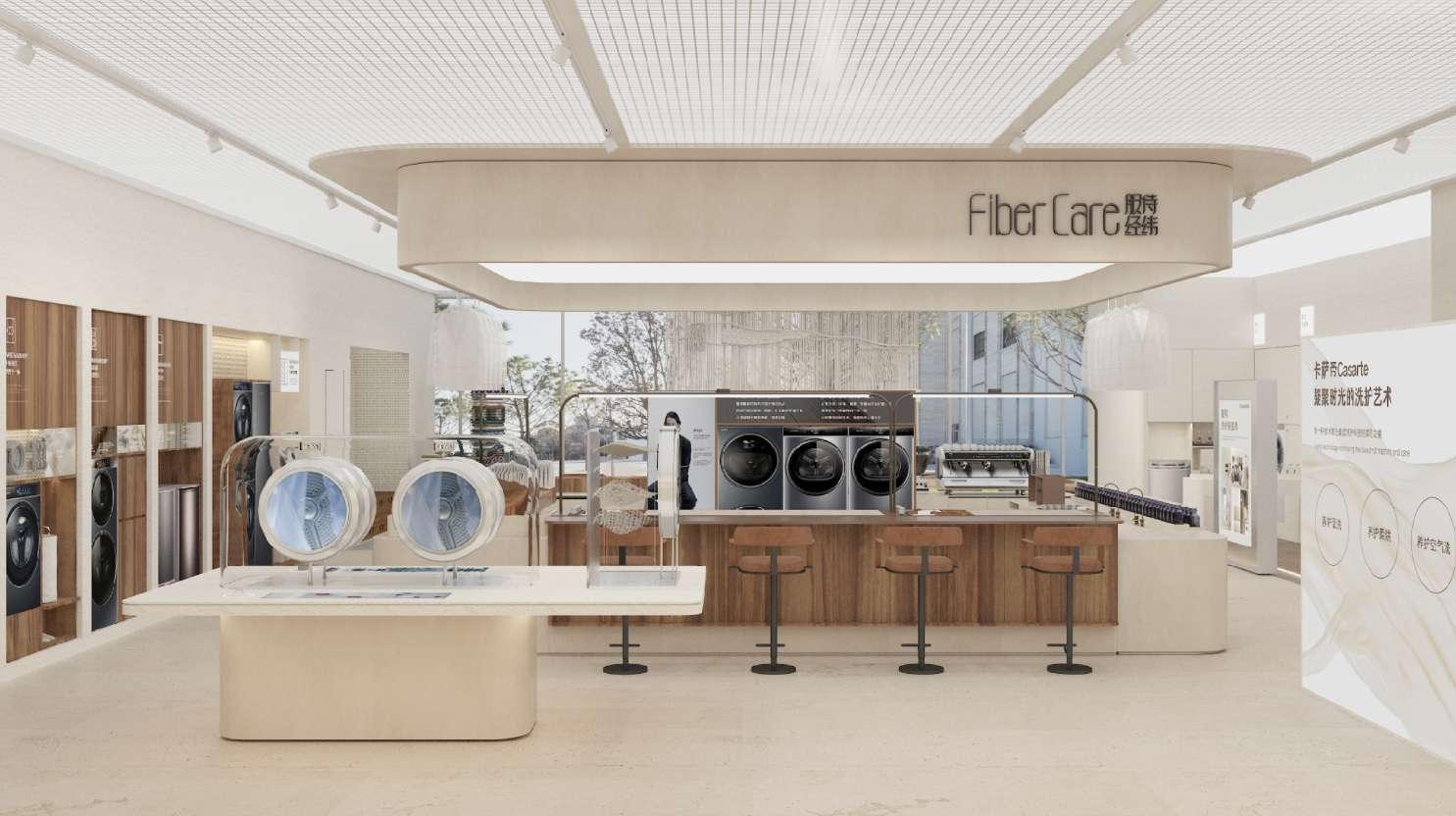
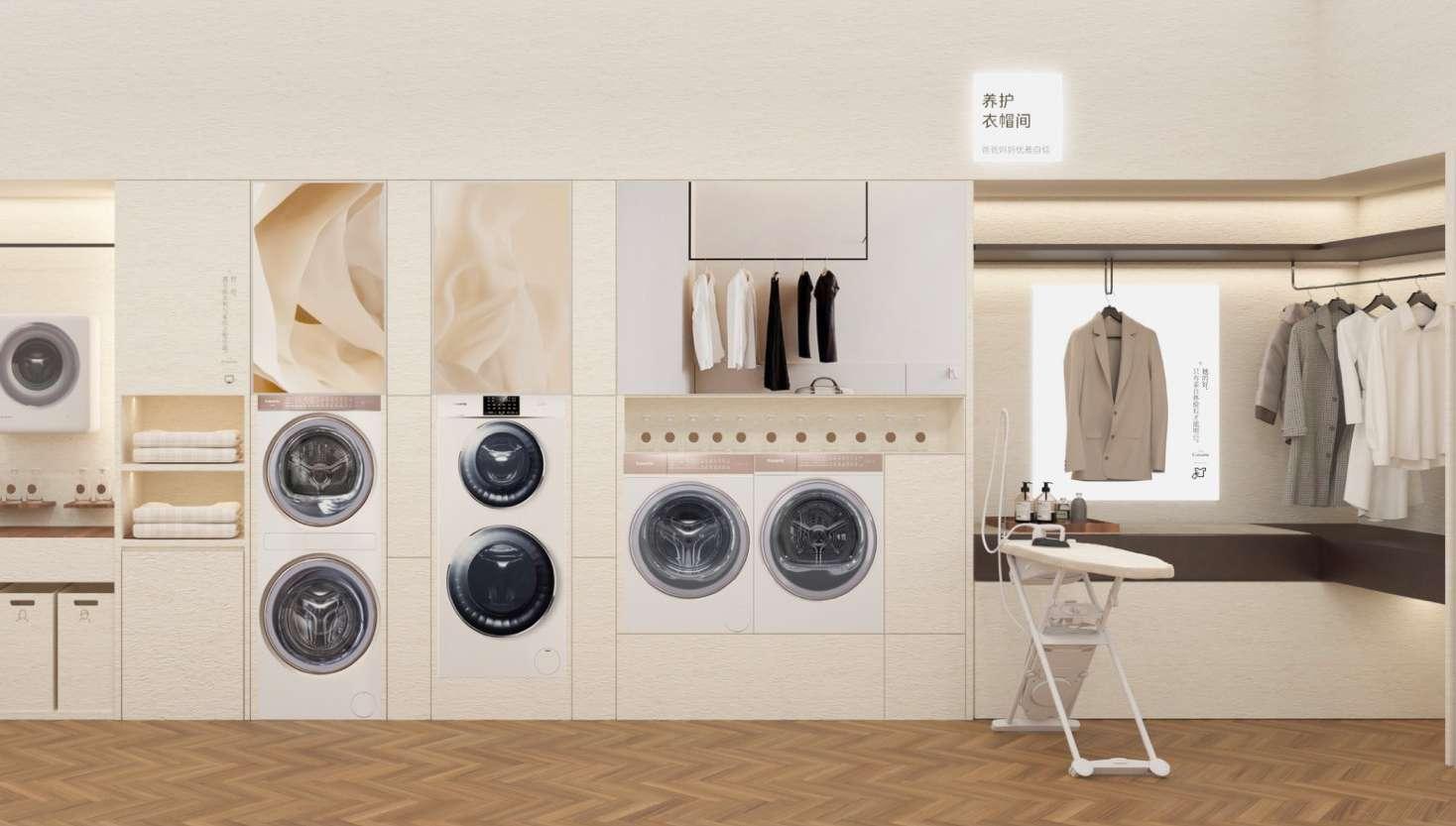
Customers do not necessarily begin with a machine’s spin speed. They consider the people in their household, the fabrics they wear, the space available, and whether washing, drying, and storage can work as one routine. The store makes that reasoning visible through complete settings based on household size, fabric needs, and floor area. Balcony, bathroom, and dedicated laundry-room displays allow visitors to recognise a solution that fits their own lives. The conversation moves from isolated specifications to practical problems, supporting an understanding of why several products belong together and creating a stronger basis for complete-solution purchases.
Strategy two: from laundry products to a care ecosystem
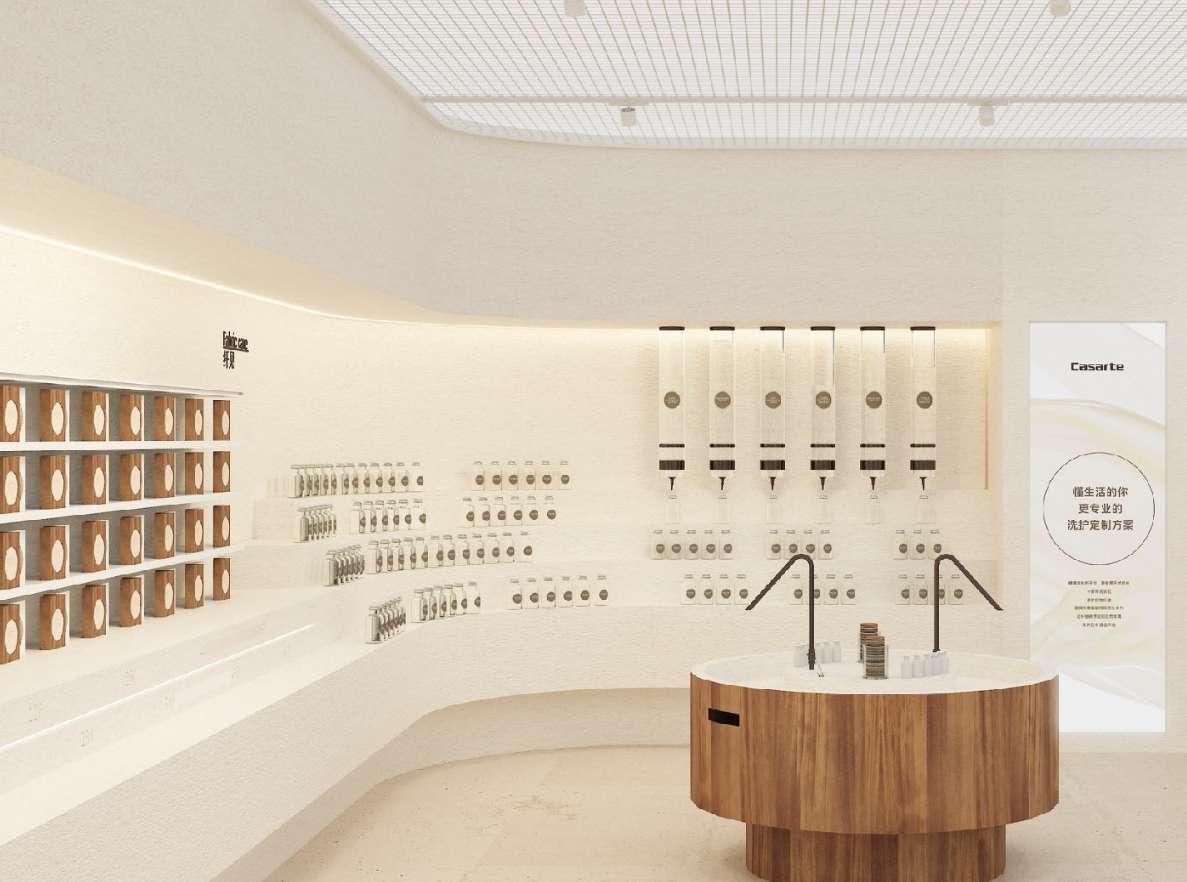
After choosing equipment, customers still need to know how to maintain silk, cashmere, and technical fabrics, where to buy care products, and whether difficult stains can be entrusted to specialists. The store therefore brings equipment, service, and consumables together. A Fiber Care service counter sits alongside detergents, care liquids, fragrances, and material-specific advice. Customers can plan professional care and everyday replenishment as part of the same decision. The commercial logic extends beyond hardware margin towards recurring service and consumables revenue, giving the store a continuing role in the care ecosystem.
Strategy three: from a single sale to a lasting lifestyle relationship
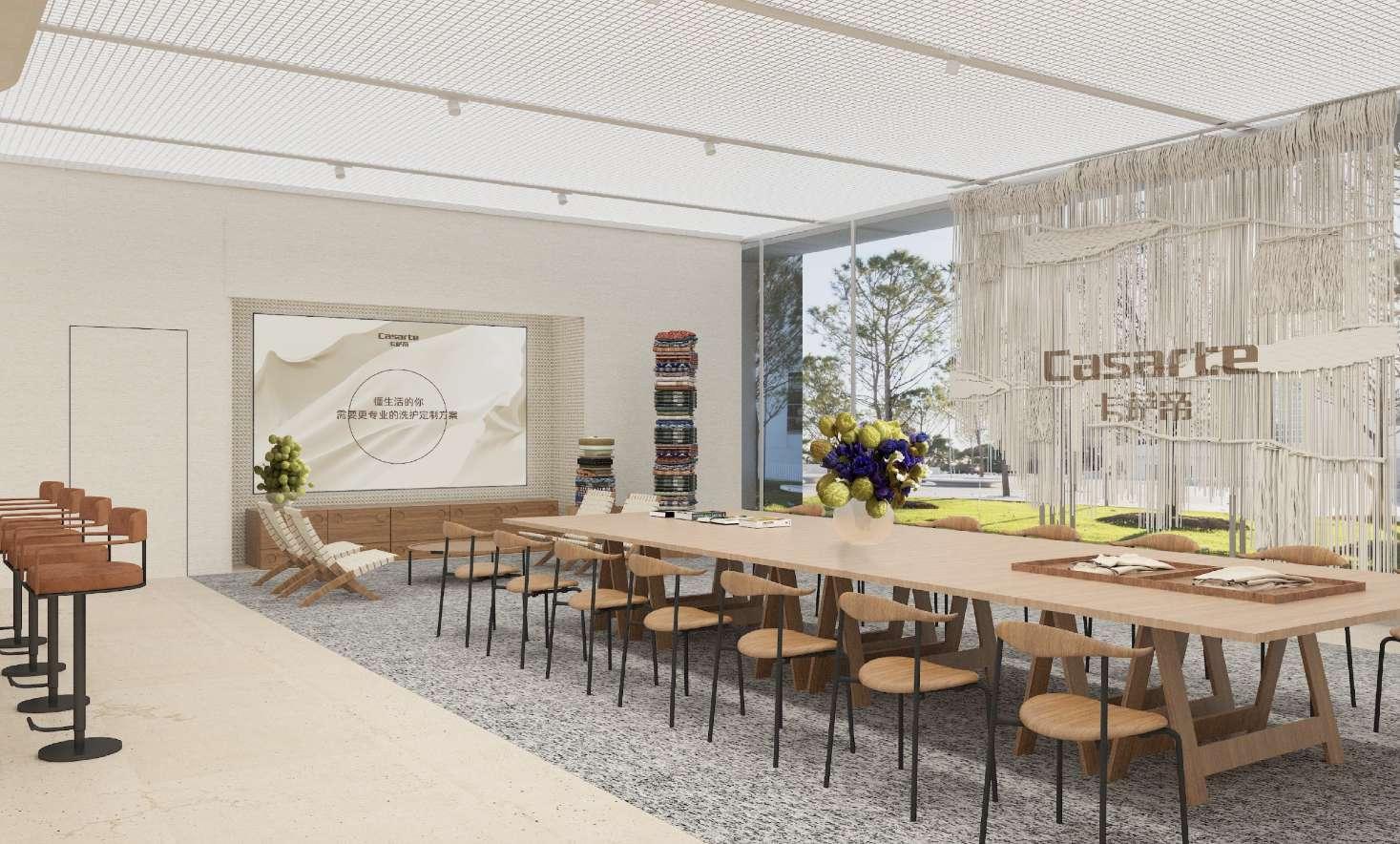
Once equipment and care services are in place, customers may ask what else they can learn and how the brand will help with seasonal changes, special fabrics, or wardrobe organisation. The shopping-mall store is conceived as a community setting with a flexible lounge at the end of the main journey. It can serve as a waiting area during the day and a small salon or classroom for advisor-led sessions on seasonal wardrobes, fragrance, and garment care. Learning, sharing, and membership incentives connect repeat visits with ongoing engagement. The relationship becomes consultative, with repeat purchases, additional purchases, and recommendations offering ways to extend the store’s commercial value.
Focus on customers who can amplify the new value
The store does not address every possible buyer in the same way. It prioritises people who treat clothing care as part of their personal taste and enjoy sharing improvements to daily life. They value efficiency, fabric protection, and continued support, and may pay more for a brand that resolves these needs together. Helping them recognise a solution for their own home gives them a reason to become credible early advocates.
The three strategies connect seeing, believing, and returning:
Complete settings translate brand language into everyday situations and support sales of coordinated solutions.
The care ecosystem connects hardware with more frequent service and consumables purchases, creating a basis for recurring revenue.
Community activity extends the value of the store through ongoing relationships and customer recommendations.
The shopping-mall store becomes a place where garment-care lifestyles are practised and customer relationships develop. This creates a foundation for the brand’s premium proposition and the expansion of its wider ecosystem.
The source article places this work within the growth of premium appliances and reports that products above RMB 10,000 exceeded 30% of the refrigerator and laundry market in 2024. It also cites overseas revenue of RMB 143.81 billion and 5.43% growth in a passage discussing Casarte and its parent company. The scope of that revenue figure is not established in the supplied material, so it should not be read as a verified Casarte-only result or as an outcome of this project.
04 / CASE STUDY
A long-term value system combining experience and operations
T8 views the store as a commercial setting the brand can actively shape and develop, rather than an aesthetic environment alone. Design is the entry point. The wider aim is to connect products and services, the physical environment, and digital capabilities so that investment in space can support continuing customer relationships and revenue.
Products and services start the conversation. Instead of displaying individual items alone, the brand can bring core equipment together with installation, tailored upgrades, maintenance, or expert advice in a scenario-based offer. Customers can then evaluate a complete solution to their needs. The commercial possibilities include hardware purchases, continuing service income, memberships, and additional purchases.
The environment translates an abstract solution into a situation people can recognise. Rather than organising space only by product category, it can reflect real living or working scenarios and include areas that adapt for salons, workshops, or community activities. Flexible circulation and sensory touchpoints help customers move from noticing to understanding and choosing, while encouraging time spent, sharing, and return visits.
Digital capabilities connect and develop these experiences. Interactive screens, AR or VR, and mobile services can bring product stories, personalisation, and stock information into the customer journey. Staff tools linked with operational data can support relevant recommendations. Connections between online and offline interactions can also help the brand identify changing needs and improve products and communication. These are elements of the article’s broader operating framework, rather than a list of verified installations at the project store.
When these elements work together, the store can become a continuing value system: complete solutions support purchase value; immersive settings support emotional connection and community; and digital tools help the brand learn from interactions. The approach begins by helping customers recognise themselves in a real situation, then maintaining the relationship through service and relevant touchpoints.
Combining design with operations gives a store a role in attracting people, learning from their needs, building advocacy, and generating repeat business. The ambition is a lasting experience advantage and recurring commercial value, rather than a one-off interior refurbishment.
Customer research cited in the case
Prioritise fabric protection
Would pay at least 20% more for professional care at home
Source: JD Home Appliances × Hurun research cited in the article. Sample size and fieldwork dates are unspecified. These are research findings, not store-performance results.
PROJECT SCOPE
- User research and positioning
- Store positioning and experience strategy
- Store experience design
- Integrated brand communication
- Staff role definition
Adapted from the supplied case article, retaining its reasoning and examples. Project scope is drawn from T8 Intro. The case includes team experience predating T8 and later brand developments; later programmes are not additional project delivery credits. Market and brand figures follow the source article and do not establish project causation.
Source publication · 6 May 2025